When I first played it, I didn’t have the language for what that ending did to me. I was just a kid with a Game Boy Advance, lying somewhere between homework I didn’t want to do and a world that already felt a bit too loud. Ezlo was there the whole time, bitter, sarcastic, constantly reminding me I wasn’t enough, and yet never leaving my side. He annoyed me, but he also grounded me. He was the voice that filled the quiet moments, the proof that I wasn’t alone inside that tiny screen.
Back then, I thought companions were permanent. Games trained us to believe that. You go on an adventure, you win, and everyone stays. The world freezes in a happy ending you can revisit whenever you want. But The Minish Cap didn’t do that. It waited until everything was done. Vaati defeated, peace restored and only then did it take something away.
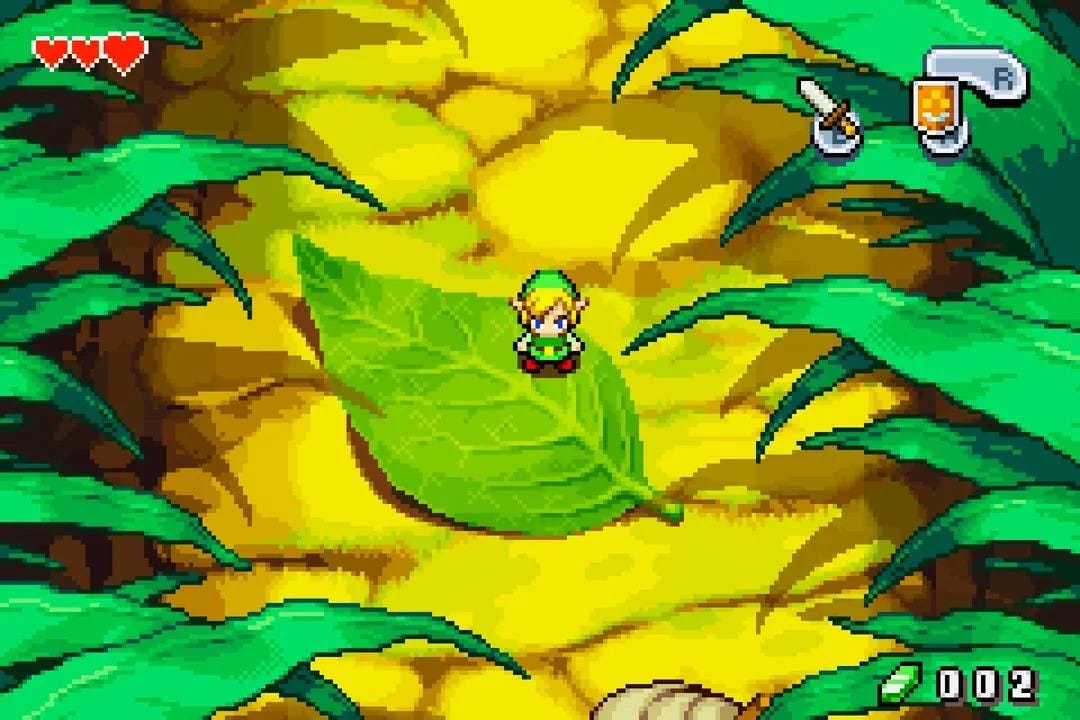
Ezlo didn’t go out in flames. He didn’t redeem himself with some heroic sacrifice. He just… left. Calmly. Inevitably. As if that had always been the rule, and I was only now being told.
I remember staring at the screen longer than I needed to. Not because I was confused, but because something felt wrong. The adventure was over, but instead of relief, there was this hollow space where his voice used to be. No more comments. No more insults. No more guidance. Just silence.
That silence followed me.
Years later, I realized why that ending stayed with me longer than any boss fight or dungeon. Ezlo represented a kind of presence I didn’t always have in real life. Someone who stuck around. Someone who challenged me but didn’t disappear when things got uncomfortable. And then, without asking, the game showed me a truth I wasn’t ready for yet, and that is that not everyone who walks with you is meant to stay.
There’s no way to keep Ezlo. No hidden quest, no alternative ending. The game doesn’t reward you for wanting him back. It simply asks you to accept it and move on.
That’s what made it real.
Because that’s how it happens outside games too. People leave after playing an important role in your life, and there’s no dramatic reason you can point to. No villain. No fix. Just timing. Just different paths opening while others quietly close.
The Minish Cap didn’t teach me courage or heroism. It taught me something smaller and heavier, that goodbyes don’t always come with closure, and that some bonds exist only to shape you, not to last forever.
I didn’t cry when Ezlo left. I just felt older.
And every time I think back to that ending, I don’t remember Vaati. I don’t remember the victory. I remember the moment the voice was gone, and how the world suddenly felt too big for one small hero to carry alone.
Logged in as {{omniform_current_user_display_name}}. Edit your profile. Log out? Required fields are marked *
Your email address will not be published. Required fields are marked *
Comments are closed.
You must be logged in to post a comment.