At the very end of The Legend of Zelda: Ocarina of Time, after the world is saved and time itself is put back where it belongs, something quietly breaks.
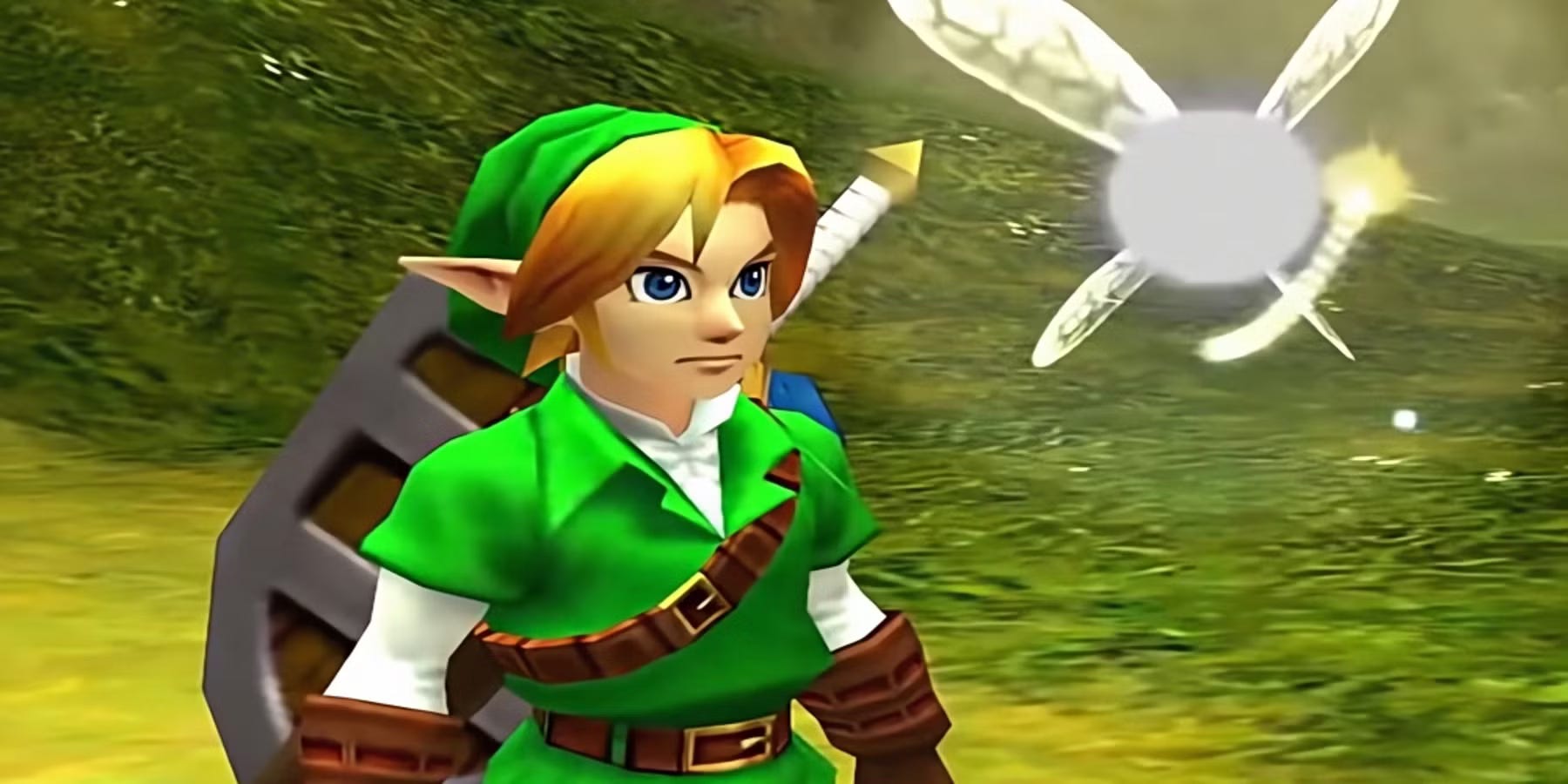
It is not the land, not even Hyrule, it was me, when Navi left.
There is no speech. No explanation. No dramatic farewell. No promise that you’ll meet again. One moment she’s there, hovering, glowing, familiar, and the next she’s gone. The screen doesn’t stop to mourn her and the game doesn’t ask if you’re ready. It just lets her disappear into the forest like she was never yours to begin with.
And that’s what hurts.
Because Navi wasn’t just a helper. She wasn’t just the “Hey! Listen!” voice everyone jokes about. She was the first constant in a world that kept tearing itself apart and rebuilding around you. When you woke up as a child with nothing but a sword too big for your hands, she was there. When you stepped into temples that felt older than fear itself, she was there. When you were lost, genuinely lost, she spoke. Sometimes too much. Sometimes when you didn’t want to hear it. But she never left.
Until the very end.
The cruelest part is that her leaving means you did everything right. You grew up and learned, at the end you didn’t need her anymore.
Ocarina of Time pretends it’s a story about saving the world, but that final moment reveals the truth: it’s about growing past the things that once kept you safe. Navi isn’t taken away by evil. She isn’t killed. She isn’t punished. She simply recognizes that her role in your life is over and that realization belongs to her, not to you.
Link doesn’t chase her and he doesn’t call her out, he just stands there.
Because sometimes you don’t even realize something was the emotional anchor of your entire journey until it’s gone.
As a kid, you don’t have the words for that feeling. You just feel empty, exposed. Like someone turned the lights off in a room you didn’t know you were still sitting in. As an adult, you recognize it immediately. It’s the same feeling you get when a chapter of your life ends without closure. When someone who shaped you disappears quietly, without a fight, without a goodbye.
Navi is childhood leaving without asking permission.
She represents the part of you that needed reassurance. That needed guidance. That needed a voice saying, “You’re on the right path.” And when she leaves, the game doesn’t replace her. There’s no new fairy. No substitute. No mechanic to fill the gap.
Because that gap is the point, hero doesn’t need a guide anymore. But the player still wants one.
And that’s why her departure stays with you. Not because it’s tragic, but because it’s honest. Life rarely gives you endings that feel complete. Most of the time, things just… stop being there. And you’re expected to keep going anyway.
Ocarina of Time ends with victory.
But it leaves you with loss.
And maybe that’s why, all these years later, Navi’s silence hurts more than any boss fight ever did.
Logged in as {{omniform_current_user_display_name}}. Edit your profile. Log out? Required fields are marked *
Your email address will not be published. Required fields are marked *
Comments are closed.
You must be logged in to post a comment.